Skip to content
  • Home
  • About
  • Services
    • Interiors
    • Exteriors
    • Restoration
    • Spray painting
    • Commercial
  • Blog
  • Gallery
  • Contact
-->
  • Home
  • About
  • Services
    • Interiors
    • Exteriors
    • Restoration
    • Spray painting
    • Commercial
  • Blog
  • Gallery
  • Contact

Category: decorating tips

Decorating Trends for 2021

Posted on 31st March 2021 by lisa-elevate-online
Decorating Trends for 2021

Decorating Trends for 2021

Looking to decorate your home or business but not sure how? We’ve done all the hard work for you and compiled it to create the perfect guide to the biggest and best decorating trends for 2021.

Is less really more?

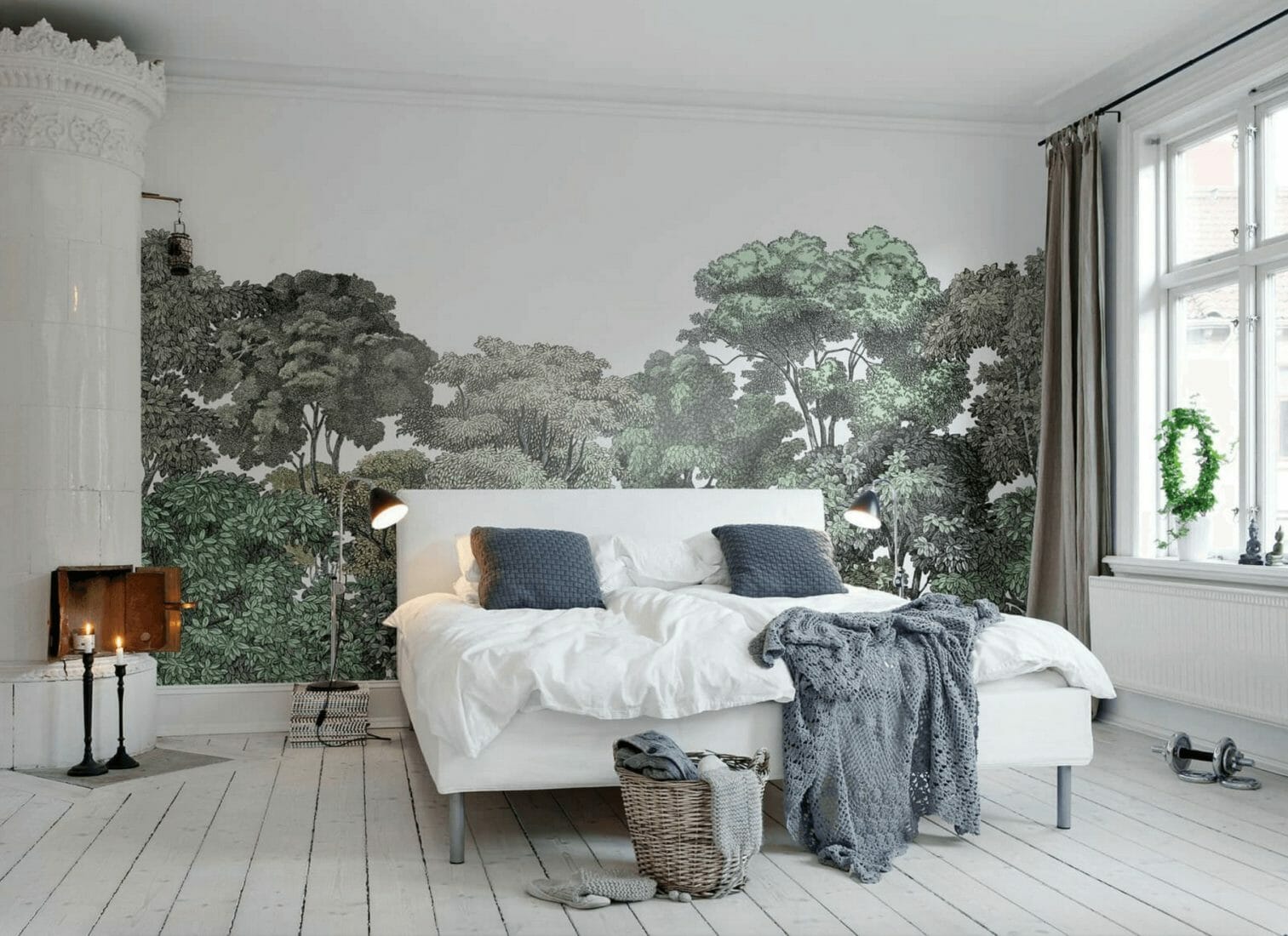
We’ve all heard the saying less is more but how true is it when it comes to decorating our homes and places of work? It seems that more and more homeowners, interior designers and painters and decorators are turning towards the minimal look with clear spaces and less furniture and with this a more serene and welcoming home. After the hectic year, we have all endured we want our homes to be places of calm, where we can forget the worries of the world and relax and this seems to have led to us purging our homes of unnecessarily clutter whilst at the same time keeping it cosy and inviting. Hence the uprise in neutral colours, simple lines and house plants all resulting in timeless beauty.

Statement Pieces

Statement Pieces are a great way to incorporate your unique style into a space whilst still embracing the minimal look. Whether you are decorating a home or a business a statement piece can show off your personality or brand and it may even be a conversation starter. From a lavish sofa or a chandelier to a statement feature wall, your statement piece is the focal point of the room, like Beyonce in Destiny’s Child you want it to stand out and this is even better achieved when the rest of the room follows the statements lead.

When talking about statement colours designers and decorators usually suggest the rule of three which recommends your statement colour appear three times. For example, you may have a statement sofa in purple so you should try to find two other accessories in the same colour to bring a sense of balance.

Paint

It’s truly wonderful how a splash of paint can transform a room and when it comes to painting 2021 is turning out to be a year of warm, rich comfort colours such as bronzes and browns. It seems that people are opting for earthy shades that offer our rooms a sense of tranquillity. These warm tones such as rust and caramel shades that are often found in wood are particularly popular in bedrooms and mix well with pastel shades such as peony pink. These paint colours are right on trend with the minimal and cosy look that seems to be taking 2021 by storm.

Whilst it seems that tranquillity is here to stay when it comes to our decorating that’s not to say that we have forgone the colour. Bold colours like forest green, deep navy blue, yellow and pink are high on the list of trending paint colours. These colours offer a sense of drama, fun and high energy we can’t deny that these things are high on our bucket lists right now.

Grandmillennial

Grandmillennial, never heard of the term? Not to worry, this new style is the combination of old-style decors such as drapery and that floral wallpaper that your grandma has with modern design. This bold and fun style is full of personality and heavily features classical designs, antique patterns and ruffles and it’s making its way through our modern homes.

Whether you are looking to bring some new life to a tired space, purge yourself and create a stunning minimal look or add a touch of glam to your home we are on hand to help with all your painting and decorating needs, don’t hesitate to drop us a line for your free quote…

Rushton and Company are reliable and experienced decorators in Leeds whose services go beyond just painting and decorating. We aim to ensure all our clients are as happy as possible with the result, and we guarantee that our highly qualified team will provide a service that is second-to-none, every time. To read our excellent reviews click here.

Categories

  • budget
  • colour trends
  • coving
  • decorating
  • decorating tips
  • decorator's varnish
  • DIY
  • DIY Projects
  • exterior decorating
  • How-to
  • Interior design
  • lining paper
  • paint brush
  • paint drying times
  • painting
  • painting exterior walls
  • painting fresh plaster
  • painting woodwork
  • repairing a concrete window sill
  • shabby chic
  • shabby chic decorating
  • stained glass
  • Stripping wallpaper
  • Uncategorized
  • varnish
  • wallpaper
  • wallpaper designs

Recent Posts

  • Decorating Trends for 2021
  • Bringing Life Into Your Home
  • Five Ways To Make Your Feature Wall Flourish
  • The Psychology Of Colour, And How To Use It!
  • Need Better Productivity? Redecorate Your Office!

Bringing Life Into Your Home

Posted on 9th October 20199th October 2019 by Toby
Bringing Life Into Your Home

People get their houses decorated for all sorts of reasons.

They might be starting new families; they might be looking to gain a business boost or improve their home’s value.

However, the single biggest through-line, the thing we hear again and again, is ‘I want to bring some life into my home’.

We spend so much time in our homes, and having a space which is dull, uninspiring and above all lifeless can slowly lower your mood.

It is, therefore, always worth putting in that extra effort to really make it come alive.

You will feel energised and uplifted, and people who visit your home or office will see you in a whole different light.


How do you do it, though?

Injecting life into a home is all about shaking things up.

One brilliant, simple way to energise a space is giving it a lick of distinctive colour.

Using bright, bold colours and making sure the finish is spotless will make the whole space feel more alive.

You can even use colour psychology to create specific moods and alter the way you interact with the space.

Another great idea is introducing house plants and flowers.

So many homes have been transformed by the presence of a living, breathing plant.

It makes the whole space feel alive, and spreads beautiful smells and a sense of being a part of your surroundings.

It also requires care and attention, which has the knock-on effect of making you take better care of the whole space!

Finally, playing with lighting is a great way to introduce new life into a space on a budget.

Try out new lamp shades; experiment with different sized bulbs or weird colours.

You can get dimmers, meaning you can control the level of light in a room.

Or you can buy new curtains or drapes and experiment with the way light filters in and out of a room.

Or you can invest in windows, and bring more and better sunlight into your life.


With these simple, easily achieved methods, you can be sure to bring some extra life into your home.

However, if you feel you need more than just this, get in touch with expert, professional decorators and see what they could do!

Five Ways To Make Your Feature Wall Flourish

Posted on 18th August 201918th September 2019 by Toby
Five Ways To Make Your Feature Wall Flourish

A feature wall can often end up being the cherry-on-top of a well-decorated home.

While it’s not for everyone, most people appreciate the power of an eye-catching show-piece in their home.

The problem is, most of us don’t know how to make them really work.

And let’s be honest: a botched-up feature wall is embarrassing.

We’re big believers in being bold and confident though, and so we want to help as many people as possible create feature walls that flourish.

To do this, we’ve put together a five-step process for making it happen.


Choose your wall for a reason

It might seem obvious, but you’d be surprised how many people appear to put no thought into which wall they make a feature of or why.

Having a clear rationale as to why you’re choosing this wall will help guide the whole process.

The wall you choose needs to be of a reasonable size – a 10” feature seems pointless – and it needs to be in a position which naturally draws attention.

Don’t create a feature wall opposite the TV, otherwise you’ll spend all your time facing away from it!


Make bold (complimentary) colour choices

You need to make sure the colours you choose go with the colours in the rest of the room.

You also need to make sure the colours you choose create the right mood.

However, most important is to make sure you choose striking, brave colours.

A feature wall needs to stand out, and using interestingly coloured paint, possibly even with special effects like glitter or chalk, is the best way to ensure it does.


Choose a room where you can focus on it

It’s important that your feature wall has pride-of-place in the room it’s in.

Otherwise, what’s the point?

Making sure you choose a room which isn’t overcrowded, where there is space and freedom is key to ensuring the feature wall has its full effect.

A living room is a great choice in this regard, as is a study.


Experiment with objects and texture

Lots of people fall into thinking that feature walls are simply big, colourful walls.

Instead, a feature wall is like a work of art.

In that sense, doing as much experimenting and thinking outside the box is paramount.

You can play with different textured wallpapers, objects or inserts which could create powerful effects.

You could also talk to a professional with experience


Be strategic with furniture and context

Whilst making your actual wall stunning is the priority, you have to remember that it will be massively affected by the context you keep it in.

You can accentuate aspects of the wall by placing furniture strategically around the room.

You can also off-set and augment the feature’s colours with your choice of complimentary carpet or rug.

Ultimately, thinking of the feature wall as part of the room it’s in as opposed to a separate entity is the real key.

The Psychology Of Colour, And How To Use It!

Posted on 24th July 20199th October 2019 by Toby
The Psychology Of Colour, And How To Use It!

It will come as no surprise that colour affects our mood and alters our perception.

We experience it all the time.

From the food we eat to the brands we buy, colour subtly shades our taste and choices in extraordinary ways.

What we might not be so aware of is the ways we can hack these affects and use them to make more of our homes.

When the average person decorates, they either copy existing examples or work from a vague ‘sense’ they have.

The problem with this? It’s hard to properly visualise what it’s going to be to spend time in a room, how your decoration is going to affect your mood, behaviour and desires.

Reverse engineering this process, starting from what you want your home to do to you, can reap enormous benefits and help you decorate better.

Let’s say, for example, you want to make sure your bedroom is a calming, relaxed space.

Do you sit down, imagine a calming, relaxed bedroom, and then attempt to recreate that image?

Maybe.

If you absolutely love frustration and disappointment.

What might be more effective though, is knowing that blue is widely regarded as a calming colour.

Not only that, but there’s scientific evidence that it lowers blood pressure.

So using blue for a clam bedroom seems a no brainer.

Of course, you might hate blue, and that’s absolutely fine.

Instead, you could opt for white, which is known to create a sense of greater space and freedom.

And if you do like blue, then combining these two facts – painting your walls a soothing blue and your ceilings a spacious white – might be optimal.

Once you have this plan, doing the actual decorating is so much easier and more fun.


To help you get the most out of your home, here are some facts about other colours:

 Yellow: usually associated warm bright and energetic environments, yellow is a great colour for a kitchen

Green: a colour the human brain has a particularly easy time perceiving, meaning it’s ideal for a home office where you want to minimise distraction. It is also said to reduce anxiety.

Purple: associated with luxury, purple can be a rich, mysterious colour for a feature wall. It is said to prompt creativity, meaning it would be a great choice for an office if you do creative work. Equally, a lighter purple can be a good colour for a bedroom, with its mix of luxury richness and calmness.

Orange: associated with energy and enthusiasm, a warm orange is a great choice for a living room to promote socialising and increase people’s willingness to get up and do stuff.

Red: known to raise the heartbeat and irritability, red is a colour to be careful with. It has romantic implications, and can be great for socialising. A dining room, particular one designed to host diner parties, would be a great choice for a rich red, which promotes excitement and a sense of intensity.

And if, after all that, you feel professional skills are necessary to really make it come alive, don’t hesitate to drop us a line for your free quote…

Small Room Decorating Is An Art (Not An Add-On)

Posted on 28th May 20199th October 2019 by Toby
Small Room Decorating Is An Art (Not An Add-On)

Here’s a common belief: decorating big rooms is fun and doing up your smaller rooms is an annoying extra.

Maybe it’s because we tend to spend more time in the bigger rooms, or at least spend more time with other people in them.

What this means is small rooms are often either rushed or ill-considered.

It’s easy, in our impatience, to assume small rooms can be decorated just like bigger ones.

But in truth, there’s a whole separate art to painting and decorating small rooms which needs to be carefully learned.

Consider this: small rooms often only feel small.

With the right decorating techniques, they can actually be made to feel homely, spacious and warm

For example, using lighter colours will help reflect sunlight (if the room receives any) and make the room feel bigger than it is.

Similarly, painting the ceiling (which is often overlooked) a nice, soft colour (light-grey is a solid choice) will make the room feel airy and freer, as well as creating more light.

However, beyond simple painting choices, more involved decorating choices can massively affect a smaller room.

Removing clutter and freeing up space will obviously help the room feel more spacious, but another thing to consider is the focal point of the room.

Is this a room for watching TV? Is it a bedroom? Or an office?

Depending on how and where you want attention and time to be spent, your basic decorating choices are likely to massively vary.

It might be that an old space which is currently used for storage could be re-imagined – with the right decorating – as a space for a new hobby or activity hitherto unthought-of in your house!

Regardless, taking the time to consider your smaller rooms and free up your creativity to imagine what they could be is not just worthwhile but essential if you truly want to make the most of your house.

And if you’re truly stuck for inspiration, a professional eye can dramatically re-energise a small room, helping you make the most out of even the most uninspiring spaces. Get in touch with us today for a free quote or to discuss how you might make more out of your home.

How To Prepare Your House For Sale

Posted on 28th March 20199th October 2019 by Toby
How To Prepare Your House For Sale

It’s a fair assumption – painting and decorating is all about making a house a home.

However, many people overlook the power of painting and decorating as an investment.

For example, when selling your house, making sure it’s properly put together and spotlessly decorated can add huge amounts to your house’s price tag.

The only qualification is that you have to be tactical.

Because decorating a house in order to sell it is very different to your standard furnishing.

To help ensure you do yours right, allow us to make some suggestions as to how to make the most out of pre-sale painting and decorating…


Fill and smooth all surfaces

It may sound strange, but plenty of us get used to living with cracks and unevenness on our surfaces.

It often gives our homes some character, making them feel authentically our own.

That said, we have to remember that people looking to buy your house are planning on make your house their home, and are likely to see imperfections as getting in the way of that.

These little things can actually do real damage to your asking price.

So it’s integral that you make sure everything is as smoothly filled and flawless as possible.

Whilst this can seem a huge task, with the right professionals any kind of crevice or crack can be remedied with ease (and often on a budget.)


Paint your walls neutrally

Whilst with normal decorating the sky is the limit, and you should always feel as free as possible to be bold and experimental, it’s worth pointing out: bright green walls significantly limits your potential market.

This is a real balancing act, because obviously no one wants to buy a ghost house, either.

Arguably, this is why professionals, who can make even neutral, uninteresting paint jobs look wonderful and warm.

Regardless, the takeaway is clear: giving your walls a proper touch up, and ensuring your colour code is as moderate as possible will always be a safe bet to maximise your market potential.


Clean and de-clutter your space 

We may not like it, but someone else’s family is going to be filling your rooms with their own things.

So when you’re presenting them with your property, it needs to be as clear and clean as possible, so that their imagination can fill in the gaps.

Aiming to make your rooms feel minimal and orderly, without them appearing like one of those stock-photo-frame pictures, is ideal.

Simply making sure there is nothing which sticks out can be enough to make a huge difference.


With these simple tips in mind, you should be ready to make the most of this opportunity, and make sure you get everything you can when selling your house!

Using a paint sprayer for interior decorating

Posted on 28th February 201810th December 2018 by Louise Nelhams
Using a paint sprayer for interior decorating

Most DIY decorators tend to use a brush and roller for painting, so they’re generally fascinated when they see us using a paint sprayer! While not perfect for all jobs, a spray gun is often our ‘go-to’ tool for a fast but professional finish – so here are our top tips on how to get the best out of this great device for your interior decorating.

Preparation is the key to paint spraying

We say this again and again because it’s so important, but one thing that separates the DIYer from the pro is the effort we make to prepare the surface and surrounding area properly before we begin painting. This is crucial when using a paint sprayer – unless you want a shoddy finish, and who does, right?

To prep correctly you must:

  • Wear old clothes and always use a mask because it’s a potentially messy job.
  • Cover everything that’s not being painted if you want it to remain that way – this includes radiators, switches and light fittings if you’re painting the ceiling.
  • Use polythene sheets and masking tape to give you clean lines on adjacent walls – there’s no need to cut in if you take your time and mask correctly. This is, of course, unnecessary if you’re painting all of the walls and ceiling.

Preparing the paint

Using a paint sprayer is a little different depending on the make/model, so it’s vital for you to read the instructions carefully so you know how thin the paint needs to be. Decent preparation of the paint will make spraying easy, but if you don’t stir it properly or ignore the directions regarding paint consistency, you’re going to have problems with the sprayer clogging up and jamming.

It’s probably worth going to the trouble of sieving the paint to ensure it’s running as freely as possible because being diligent at this stage will save you a lot of time and frustration later on!

Time to start spraying!

Spraying is relatively simple, but you’ll need to practice first. You should be provided with some test sheets to make sure you get the consistency of the paint and the required smoothness of your action right before being let loose on your walls.

If the paint splatters, it’s too thick, so add a little water and try again until the flow from the sprayer is clean. A consistent action with the sprayer is essential for even coverage, so try to keep your arm moving parallel about 20cm from the surface at all times – this is no place for sweeping arcs that front-load the paint! As with a roller, it’s important to overlap the edges for proper coverage too.

For a better finish, it’s worth repeating the above process in the other direction too, to cross coat the surface.

That’s basically it – once you’ve finished, clean the sprayer well and sit back and admire your handiwork! While it’s a tool we’d never be without, we appreciate that using a paint sprayer might feel a little daunting for someone with little DIY experience, so if you’re looking for some decorating help in Leeds or local areas, please contact us for some advice and a quote.

Minimalist interior design for an uncluttered life

Posted on 26th January 20186th June 2018 by Louise Nelhams
Minimalist interior design for an uncluttered life

If you’re the kind of person who likes clean, simple lines and a fuss-free life, you might be interested in the minimalist interior design philosophy. Often wrongly associated with stark, cold – or dare we say – boring decor, minimalism doesn’t have to mean soulless, and this month we’re going to show you why.

Getting the minimalist design basics right

Turning your home into a sophisticated and simple space that oozes class is relatively straightforward, but unless you get the basics correct it’ll never really hit the mark. There’s a saying in music that a simple song is harder to play well because there’s nowhere to hide from your mistakes, and the same is true with minimalist interior design. Your walls must be super smooth and blemish free, your painted wood must be clean and sharp, and your flooring needs to be perfectly finished – this is no time for sloppy decorating work!

Because you’re going to be relying on the quality of the finish to make your space work, it’s crucial that you take your time with every aspect of the decorating process. It’s possible to achieve a great finish to your walls, but if they’re particularly rough it’ll pay to seek the help of a high-quality professional plasterer – even if you’re planning on hanging lining paper.

The same goes when you’re painting the walls and wood in the room, so make sure that you sand everything down deliberately and thoroughly before painting. If you have shaky hands and struggle to keep your lines clean when painting, call a pro!

Colour schemes

When people think about minimalism they usually picture lots and lots of white, but modern minimalists are happy to embrace some colour to accent and accentuate the cleanliness of the space. You might want to stick to bright white, but consider other neutral colours like grey, warmer whites or even blues. Think about your hard furnishings and whether they’ll have colour because an accent wall in an exact match as some of your furniture works great. Minimalism doesn’t mean that you need to live inside a stark white box!

Less is more

Minimalism only works if you’re prepared to keep your space clean and uncluttered – there’s no place for surfaces covered in toys, books, bags, and, well, everything that you find scattered about the average home!

Yes, you can give your space some character with a few well-placed, uncomplicated ornaments, but it’s really a philosophy of ‘a place for everything, and everything in its place’, so stay on top of the housework.

Get the obvious things correct and minimalist interior design can change your life for the better, but if you’re struggling to make this style work for you, give us a call and we’ll be happy to help. We can give you some friendly advice or even a quote – we’re just a phone call away!


A year of decorating tips from Rushton & Co.

Posted on 21st December 20175th July 2018 by Louise Nelhams
A year of decorating tips from Rushton & Co.


As another successful year of decorating your homes draws to a close, it’s time to take a look back at the articles we’ve posted this year. Our goal with our decorating blog is to give you the confidence to take on some of the jobs we think the average DIY or interior design enthusiast can tackle – with our professional advice and decorating tips, of course!


January: Filling and sanding walls ready for painting and wallpaper – We began 2017 by giving you the lowdown on getting a professional finish to your walls in preparation for painting or wallpapering.

February: Everything you need to know about decorator’s varnish – decorator’s varnish is one of the pro’s favourite tricks, but that doesn’t mean that you can’t use it too! Learn more here.

March: Sprucing your home up this spring – exterior decorating projects – Make your home look and feel like a new house with these simple but effective exterior spring decorating projects.

April: Spring interior DIY projects – when you’ve finished making the exterior of your house look fantastic, these top tips will make sure that the interior looks fantastic too.

May: Painting a ceiling like a pro – if you shy away from painting your ceilings this is the post for you. Our painting tips will demystify this tricky decorating job.

June: Decorating tips – turning your stairs into a feature – this is one of our favourite ways of transforming your home, and it doesn’t have to be difficult!

July: Repairing a concrete window sill – this may seem like a tough task for a DIYer, but we think you can have a go at all but the most complicated rebuilds if you follow our advice.

August: Interior design inspired by autumn – using the seasons to give you creative ideas for your interior design is a great idea… especially if you’re struggling for inspiration.

September: Our guide to wallpaper for every budget – if you’re thinking about redecorating your home our guide to the best wallpaper available at every price point is exactly what you need.

October: Tips for painting fresh plaster – wait for that plaster to dry or you’ll regret it! Here are our top post-plastering decorating tips.

November: Where to buy your decorating supplies – Ever wondered where the pros buy their supplies? Well, wonder no longer – here are our top picks…

Thanks to all of our customers and blog readers for a brilliant year. We look forward to 2018 where we’ll continue to provide a service with a smile and lots more decorating tips to help you go it alone if you prefer!

Tips for painting fresh plaster

Posted on 29th October 20175th July 2018 by Louise Nelhams
Tips for painting fresh plaster


It’s incredibly satisfying to have a room plastered to a high standard, but it needs to be treated carefully in order to get the best finish for your paint – so this month we’re going to give you our top tips for painting fresh plaster like a pro.

Painting fresh plaster

It would seem that painting fresh plaster is a simple task, but if you rush to get the job done you’ll struggle to get the high-quality finish that a well plastered wall deserves. Firstly, it’s absolutely crucial that the wall is dry, but how long do you need to leave it? There’s no definite time frame because every wall, type of plaster, and atmosphere is different, so if you’re not sure it’s best to wait a little longer. Generally, you want the wall to be a uniform light colour with no dark patches – even small dark spots where the wall is still a bit damp could ruin the finish.

Don’t be tempted to speed up the process with hairdryers or fans because that may lead to cracking – instead leave the windows open to allow natural drying to take place.

Once your plaster is dry you may need to lightly sand the surface – although this shouldn’t be necessary if you’re plasterer is a good one! Use a nice fine sandpaper of around 200-400 grit for a smooth finish. After a sanding, it’s time for a mist coat to seal in the plaster…

Mist coat

Essentially, a mist coat is a watered down coat of emulsion that sinks into the plaster to create a surface for the thicker coats of emulsion to stick to. Some decorators recommend a coat of watered down PVA, but it’s much less reliable for the amateur DIYer looking for a simple, quality finish.

The ratio of water to emulsion depends on a number of factors (and which decorator you ask!), but between 50/50 and 70/30 water to paint is a good starting point. As long as the mist coat is watery and has enough paint in to seal the plaster effectively you’re good to go.

Apply the mist coat with a roller and allow to dry for at least 24 hours, but be careful to either remove or cover your floors and furniture because the mist coat paint will splash much more readily than thick emulsion.

Top coat

Once the mist coat is dry you can apply your top coats. As with all painting jobs, it pays to cut in around the edges first with a 2-4 inch brush before applying the paint evenly with a smooth roller. Use the best quality brushes and rollers for a great finish – that’s often the difference between the DIYer and the professional!

paint on fresh plaster


Follow these tips and your freshly plastered walls will soon look fantastic – there’s no simpler way to transform a room! Of course, if you’re nervous about undertaking a job like this yourself and you live in the Leeds area, you can call in our professional decorators in to give you a quote!


Posts navigation

Older posts
  • Terms & Conditions
  • Privacy & Cookies
  • © Rushton & Co. Ltd. 2013
  • Painting Contractors
  • About
  • Contact
  • Sitemap
  • Tradespeople Link Up
This website uses cookies to improve your experience. We'll assume you're ok with this, but you can opt-out if you wish.Accept Read More
Privacy & Cookies Policy

Privacy Overview

This website uses cookies to improve your experience while you navigate through the website. Out of these cookies, the cookies that are categorized as necessary are stored on your browser as they are essential for the working of basic functionalities of the website. We also use third-party cookies that help us analyze and understand how you use this website. These cookies will be stored in your browser only with your consent. You also have the option to opt-out of these cookies. But opting out of some of these cookies may have an effect on your browsing experience.
Necessary
Always Enabled
Necessary cookies are absolutely essential for the website to function properly. This category only includes cookies that ensures basic functionalities and security features of the website. These cookies do not store any personal information.
Non-necessary
Any cookies that may not be particularly necessary for the website to function and is used specifically to collect user personal data via analytics, ads, other embedded contents are termed as non-necessary cookies. It is mandatory to procure user consent prior to running these cookies on your website.
SAVE & ACCEPT

WhatsApp us